

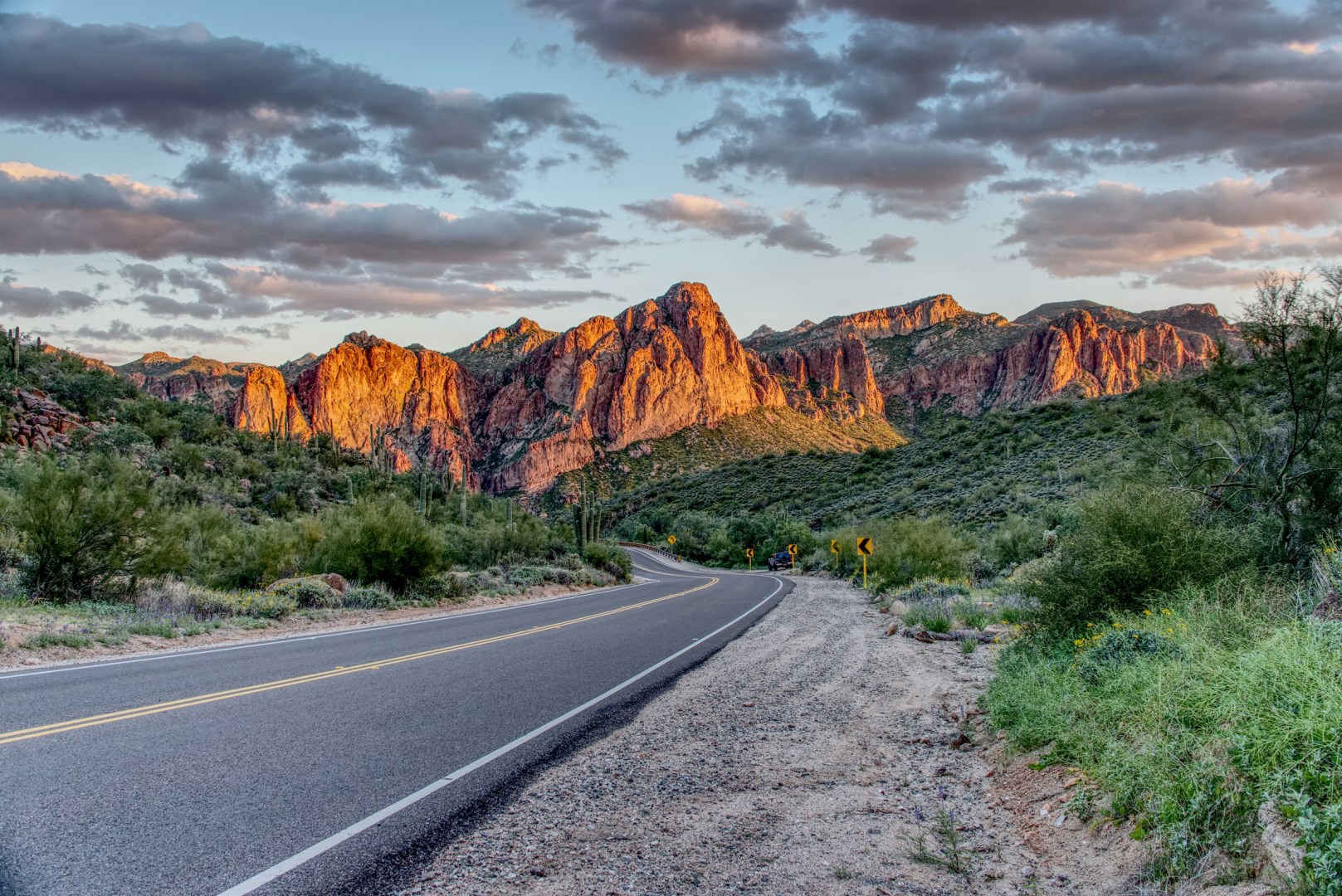
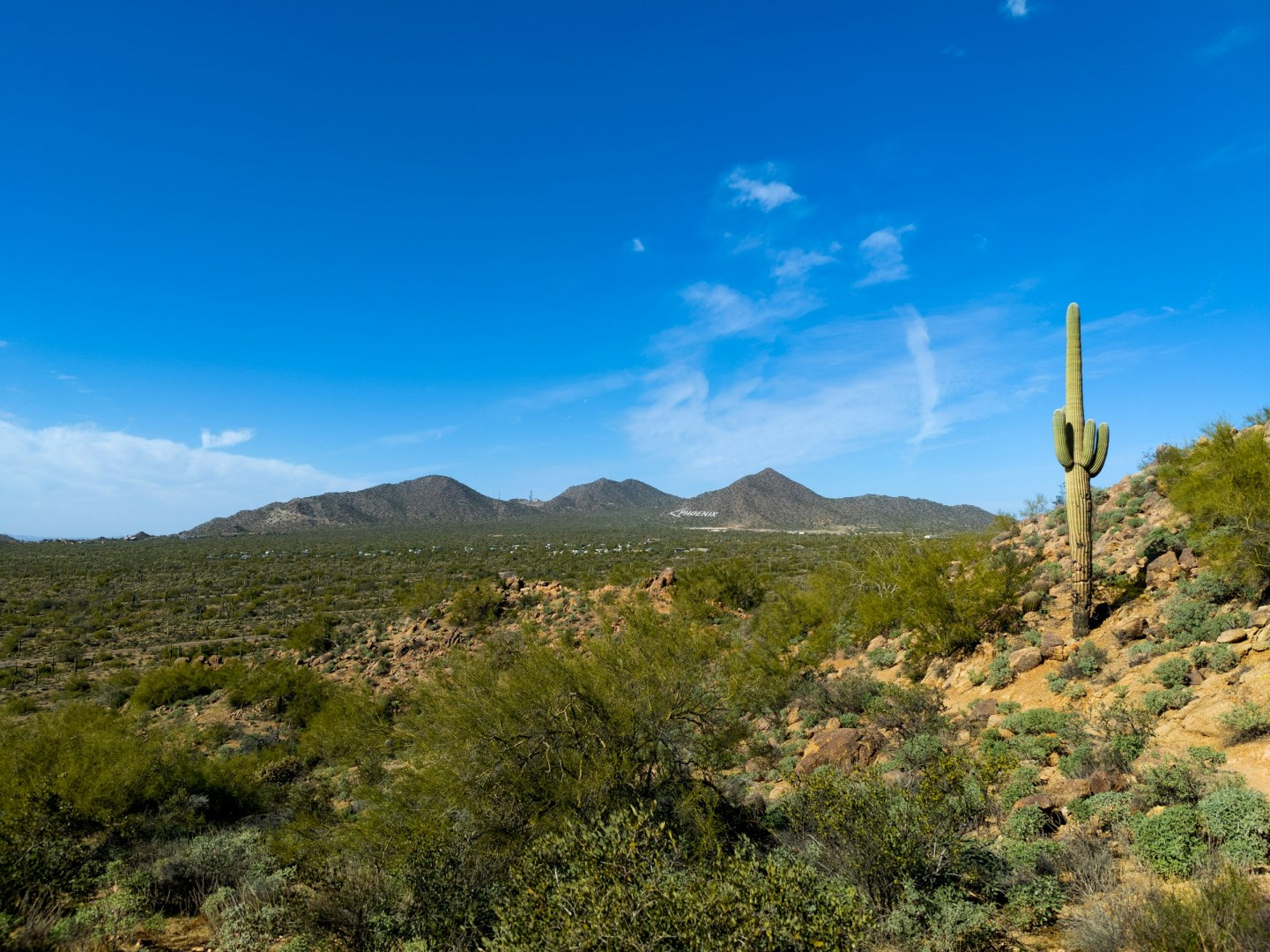
Mesa is a city in Maricopa County in the East Valley of the Phoenix metropolitan area, set against the Sonoran Desert and the lower slopes of the Superstition Mountains. Its landscape combines developed neighborhoods with desert parks, citrus groves, canals, and broad mountain views. Mesa has grown into one of Arizona’s larger cities while retaining connections to agriculture and the Salt River Valley. Its downtown district provides a center for museums, galleries, theaters, and public events, while nearby desert areas offer a different setting with trails, wildlife, and distinctive rock formations.
Mesa’s cultural identity reflects Indigenous, agricultural, and later immigrant influences. The area has deep connections to the Hohokam people, whose extensive canal system supported farming across the Salt River Valley and remains an important part of the region’s archaeological story. The Mesa Grande Cultural Park preserves remnants of a large Hohokam platform mound, while the Arizona Museum of Natural History presents exhibits on the region’s geology, archaeology, and Indigenous heritage. Downtown Mesa also includes the Mesa Arts Center, which hosts performances, exhibitions, and arts programs in a prominent contemporary complex.
The surrounding environment provides several notable places to explore. Usery Mountain Regional Park lies along the western edge of the Goldfield Mountains and contains desert trails, saguaros, and views across the valley. The nearby Tonto National Forest extends into rugged Sonoran Desert terrain, while Saguaro Lake sits among steep desert mountains northeast of the city. Mesa also provides access to the Salt River, where visitors can encounter riparian vegetation and seasonal wildlife. Within the city, the Mesa Riverview and Sloan Park areas connect recreation, baseball, and outdoor spaces with the wider metropolitan landscape.




Email Us
Location
Travel Agents located in New Jersey, South Carolina and Florida
Call Us
908-458-6250 843-410-7950